



Regulators are ramping up data protection, and boards are expected to show their organization is ready for it. This data governance and privacy checklist is for directors, corporate secretaries, general counsel, and privacy and compliance officers who need a structured way to test that readiness: 7 questions to ask management, and what a credible answer looks like.
What Is Data Governance and Privacy?
Data governance sets who owns an organization’s data and how it is classified, used, shared and retained. Data privacy governance applies those rules to personal information, so the organization meets its legal obligations and respects individuals’ rights.
Boards often hear data governance, security and privacy used as if they meant the same thing. They cover different ground:
| Term | What it covers |
|---|---|
| Data governance | Ownership, classification, quality and retention rules for all company data |
| Data privacy | How personal information is collected, used, disclosed and kept, and individuals’ rights over it |
| Data security | The technical and organizational controls that protect data from unauthorized access, loss or breach |
Why Boards Should Oversee Data Governance and Privacy
How organizations collect, use, share and store personal information is under renewed scrutiny. Cybercrime is on the rise too, so weak data privacy governance quickly becomes a question of board oversight and accountability, not only an IT matter.
Directors don’t need to run privacy operations. They do need to know who is accountable, how risk is measured and when they’ll hear about a problem. Good data privacy for boards starts there, with privacy risk treated as part of the organization’s wider cyber resilience.
The Canadian picture is also shifting. The Personal Information Protection and Electronic Documents Act (PIPEDA) governs private-sector privacy at the federal level, while Quebec’s Law 25 sets stricter rules for private-sector organizations in Quebec. Bill C-36, the Protecting Privacy and Consumer Data Act, was introduced on June 15, 2026. It’s the third attempt to replace the privacy part of PIPEDA, after Bill C-11 in 2020 and Bill C-27 in 2022, and as of October 2026 it’s still a proposed bill.
Heightened Enforcement and Penalties
Regulators are giving privacy rules real teeth, and a compliance failure now brings financial risk and reputational damage. Organizations that stay complacent about privacy governance carry the most exposure.
For directors overseeing privacy and data governance, the response is practical. Ask management to back its assurances with evidence: the breach log, the date of the last incident exercise, the results of the latest vendor review.
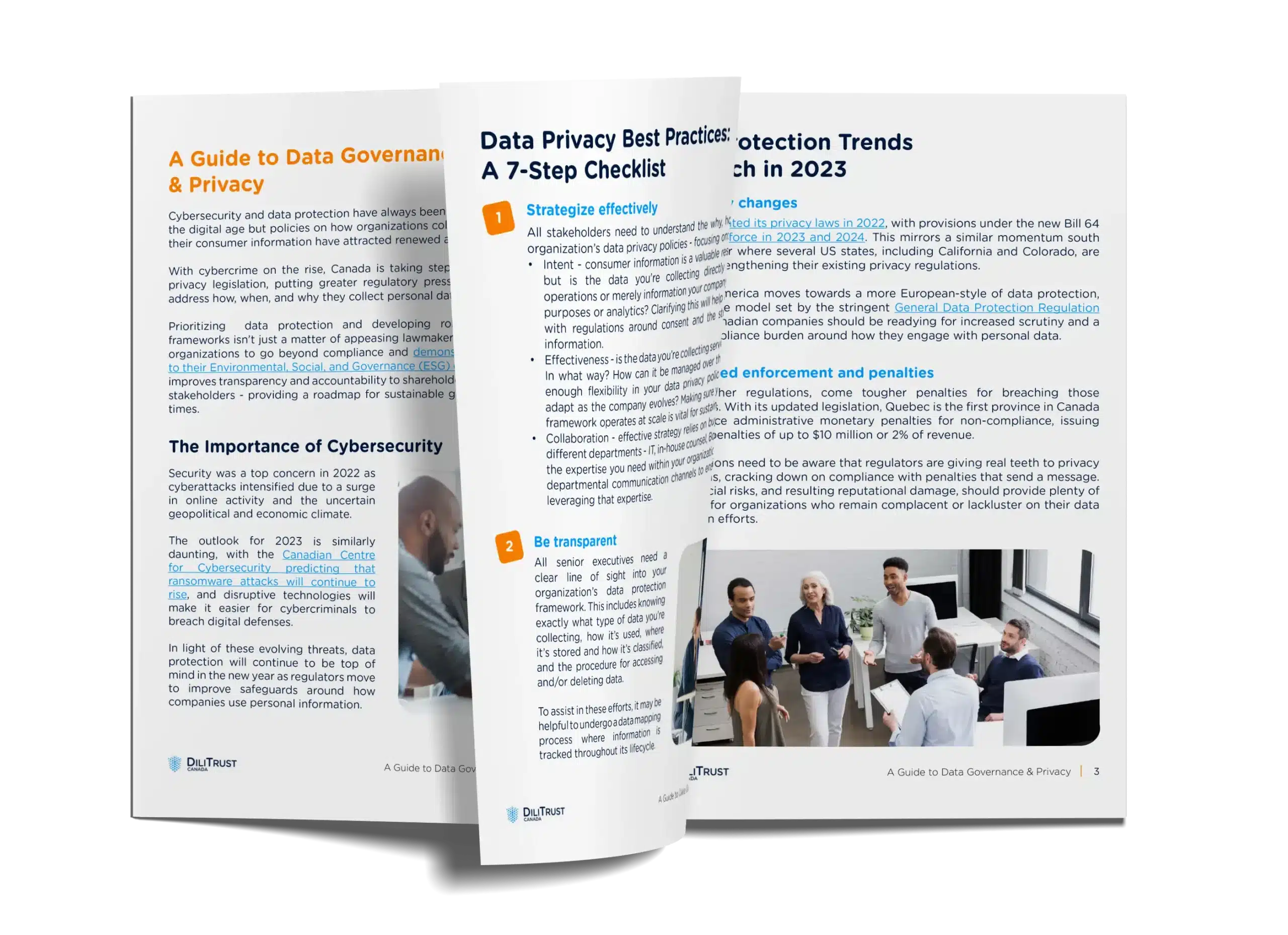
[Image 2, keep existing: wp-ca-en-data-governance-privacy-2-scaled.webp. Alt text: “Inside pages of the data governance and privacy guide, including the 7-step data privacy checklist”]
Data Governance Checklist for Boards: 7 Questions to Ask Management
Use this data governance checklist at your next audit, risk or governance committee meeting to test whether your privacy and data governance controls hold up.
| Question for management | What the board should see |
|---|---|
| 1. Who is accountable for data governance and privacy, who is our privacy officer, and what does the board or its committee oversee? | A named executive owner, a designated privacy officer and a committee mandate that explicitly covers privacy and data risk. |
| 2. What personal information do we hold, where, and why? | A current data inventory showing data categories, systems, purposes and classification levels, with high-risk data flagged. |
| 3. Which privacy laws apply to us, and where are our gaps? | A map of obligations under PIPEDA, Quebec’s Law 25 where relevant and the GDPR for EU data, with known gaps and remediation dates. |
| 4. Are our retention, access and consent rules documented and enforced? | Approved policies, proof they’re applied in practice and alignment with recognized security standards such as ISO 27001. |
| 5. How do our vendors and processors handle our data? | A register of third parties holding personal information, the contract safeguards in place and recent assessment results for high-risk vendors. |
| 6. Can we detect, assess and report a data breach on time? | A tested response plan, the date of the last exercise and a complete breach record, which PIPEDA requires organizations to keep for 24 months. |
| 7. What indicators does the board receive, and how often? | A dashboard on a set schedule: incidents, access requests, open audit findings, vendor risks and remediation progress. |
Together, these 7 questions give the board a working data privacy governance framework: clear owners, known data, mapped obligations and evidence that controls work. If management can’t answer one of them with documents, that’s where your privacy governance program needs attention first. Run this data governance checklist at least once a year, and again after a major incident, acquisition or system change.
Download the Data Governance and Privacy Checklist for Boards
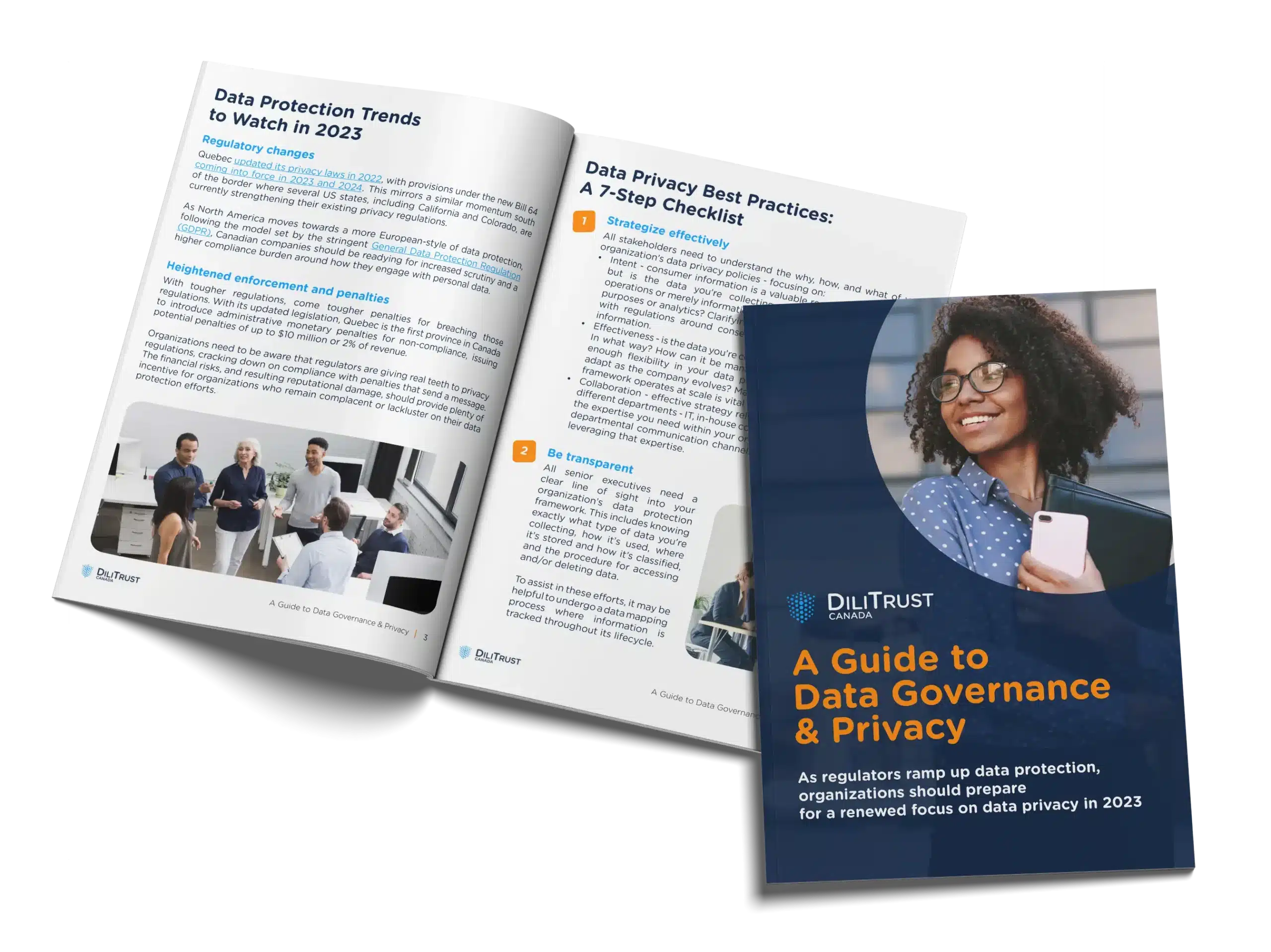
Our guide on data privacy for boards goes further than this data governance checklist. Inside, you’ll find the data protection trends shaping privacy rules, why cybersecurity belongs on the board agenda, and a 7-step checklist of data privacy best practices, starting with strategy and transparency.