


Many industries are flourishing thanks to advances in technology. The legal profession is one of them. Over the past several years, legal teams have been using technology in more ways and at a faster pace than ever before. Legal technology was evolving well before the COVID-19 period and has continued to develop since. Here’s where things stand today.
Key Takeaways
Lawyers are embracing AI, and fast
Legal professionals have moved well past debating whether AI is useful. According to the ABA’s 2025 Legal Technology Survey, personal use of generative AI among lawyers grew to 31%, more than double the rate reported two years earlier. Firm-wide adoption sits lower, at 21%, with many organizations still building policies around accuracy, ethics, and responsible use.
The most common tasks: drafting correspondence, summarizing documents, and conducting research. AI has reduced the time these tasks take. Accuracy and judgment still require a human check.
That gap between individual adoption and firm-level deployment has real consequences. Teams with structured AI workflows are processing more work with the same headcount. Lawyers entering the profession today — trained on AI tools from day one — expect their workplace to have made the same investment.
Legal tech is improving collaboration
Many companies have adopted legal technology to help team members access data more efficiently and work across locations. Digitized records, online approval processes, and templated contracts have cut down the back-and-forth that used to slow decisions.
Using technology also allows legal departments to gather and track relevant data from across the business — budgets, processes, and real-time status updates — in a single place. When most legal teams adopt new platforms, they look for tools that support compliance, including contract lifecycle management and entity management. These capabilities also improve collaboration when an audit or regulatory review is required.
Contract management has become a strategic priority
In the early days of legal tech, contract management meant storing signed PDFs somewhere accessible. In 2026, it means something closer to an operating system for commercial relationships.
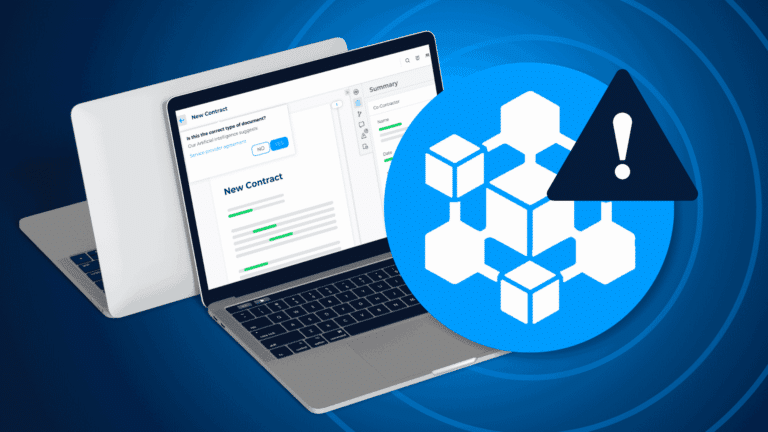
Contract Lifecycle Management (CLM) tools now cover every stage: template creation, drafting, negotiation, approval routing, e-signature, and post-signature obligation tracking. AI-powered risk detection flags problematic clauses before contracts reach sign-off. Renewal alerts prevent agreements from lapsing without a conscious decision.
For legal departments handling high contract volumes, CLM platforms also surface data on cycle times, approval bottlenecks, and template usage, giving GCs concrete information to drive process improvement.
DiliTrust’s Contract Lifecycle Management module connects with Salesforce, HubSpot, and Microsoft Dynamics 365. The integrated Lini AI engine features a Risk Detector that identifies risky clauses, applies internal compliance rules, and suggests validated alternatives directly within the review workflow.
Contracts piling up in approval queues? See how automated workflows and AI-assisted contract review reduce turnaround from weeks to days.
Explore DiliTrust Contract Management →
Improved focus on cybersecurity and data protection
While the legal profession relies more heavily on technology, data protection and security remain critical concerns. Cybersecurity has been on the agenda since legal teams began storing sensitive information online. Remote working made it more pressing, and it has remained that way.
The threat picture has worsened. Professional services firms now account for nearly 1 in 5 ransomware incidents globally, and 20% of US law firms reported being targeted by cyberattacks in the past year. Companies are mapping out protocols for data breaches and making cybersecurity a board-level priority, not just an IT matter.
Regulatory requirements are tightening further. The EU’s DORA regulation (effective January 2025) imposes digital resilience obligations on financial institutions and their service providers. NIS2 extended cybersecurity requirements across additional sectors. The EU AI Act added compliance obligations for organizations deploying AI in decision-making contexts, with key provisions applying from August 2025 and August 2026.
For legal teams, this means structured access controls, full audit trails across systems, documented governance for any AI tools in use, and clear protocols for cross-border data handling. The organizations that built these foundations early are significantly ahead of those responding after the fact.
Managing legal entities across jurisdictions
Corporate groups managing multiple subsidiaries across countries face a specific operational challenge: keeping entity data accurate, current, and ready for regulatory review at any time.
Statutory filing deadlines vary by jurisdiction. Beneficial ownership registers have different rules across France, Germany, the UK, and beyond. Officer mandates expire. Compliance calendars get missed when the data lives in spreadsheets or scattered email chains.
Legal Entity Management tools centralize all entity-level records — org charts, officer mandates, statutory filing calendars, and corporate documents — in one accessible system. Legal and compliance teams retrieve current data without searching across multiple platforms or waiting for updates from local teams.
DiliTrust’s Entity Management module gives organizations a real-time view of their entire corporate structure, with custom fields for local reporting requirements and perimeter-based access controls for multi-entity groups. Cross-module governance reporting pairs entity data with board governance metrics for a consolidated compliance picture.
Multiple entities across borders? Get a clear, audit-ready view of your corporate structure without the spreadsheet complexity.
See Entity Management in action →
Legal tech is enabling general counsel to become more efficient
General counsel are using legal technology to become more efficient: structuring workflows, templating documents, tracking matters digitally, and managing client billing through centralized systems. Many use platforms to keep track of meetings, tasks, and key documents. This allows GCs to focus on business-oriented projects and manage their time more effectively.
When contracts, entities, and matters run through structured platforms, GCs gain visibility they didn’t have before: how long approvals take, where bottlenecks occur, how workloads are distributed. That data supports better decisions and stronger conversations with senior leadership.
DiliTrust’s Matter Management module gives legal departments a structured intake process, automated deadline tracking, and workload dashboards. The AI-powered QuickView feature generates an instant summary of any matter’s current status, without requiring manual updates from the team.
A new generation of lawyers with high expectations
Many lawyers entering the profession today are well-versed in technology. This generation is coming of age in an environment shaped by AI tools, fast collaboration platforms, and on-demand access to information, and they expect the same from their workplace.
When the pace of change is this fast, legal professionals will keep expecting better tools. Platforms that lag behind create friction and frustration. Teams that invest in good tooling tend to attract and keep better talent.
Clients and counterparties have raised their expectations too. Fast contract turnaround, clear audit trails, and reliable communication are baseline requirements now, not differentiators. Technology that used to be a competitive advantage is becoming the cost of staying competitive.
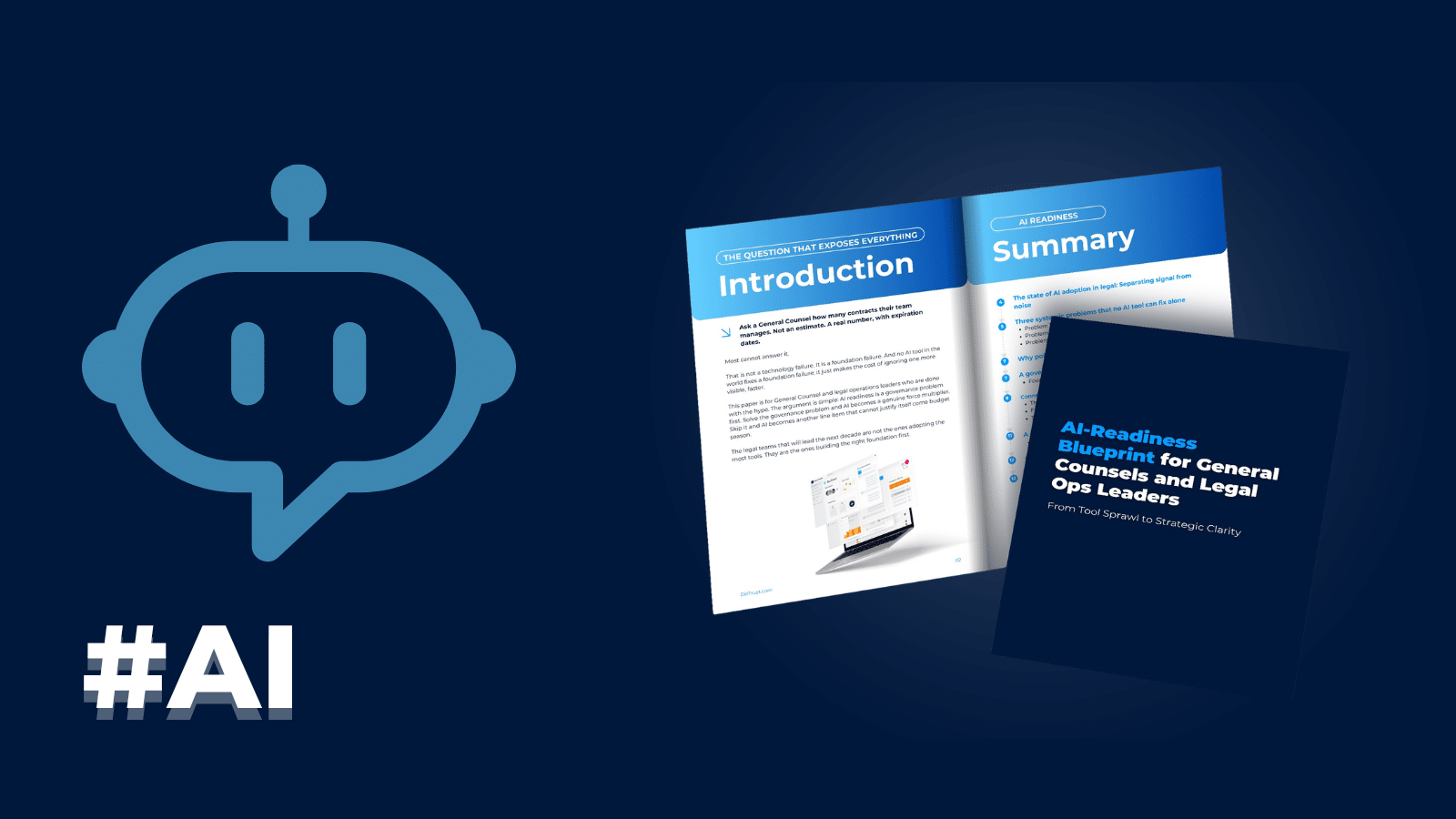
From AI Risk to AI Readiness: The Blueprint for Your Legal Department
What you’ll find in this blueprint:
- From AI adoption to real AI value: what makes the difference
- The 3 problems no software can solve on its own
- A 90-day plan for AI implementation any legal team can act on
Frequently asked questions about legal technology
What technology do general counsel use in 2026?
Most GCs rely on a combination of contract management software, matter tracking systems, and legal entity management tools. AI-assisted platforms are increasingly common for document review and risk detection. Integrated suites like DiliTrust cover CLM, entity management, matter management, and board governance in one platform.
How is AI being used in the legal profession?
AI is most widely used for drafting correspondence, summarizing documents, and conducting research. In contract platforms, it identifies risky clauses and applies compliance rules automatically. According to the 8am 2026 Legal Industry Report, 69% of legal professionals now use general-purpose AI tools for work. Firm-wide adoption is still catching up, constrained by ethics policies and accuracy concerns.
What software do legal departments use to manage contracts?
Contract management platforms handle the full cycle from template creation to e-signature and post-signature obligation tracking. Most modern CLM tools include automated approval workflows, AI-assisted risk review, and CRM integrations. DiliTrust CLM connects directly with Salesforce, HubSpot, and Microsoft Dynamics 365, with Lini AI’s Risk Detector reviewing contracts for problematic clauses before sign-off.
Is legal technology accessible to mid-size legal departments?
Yes. SaaS platforms have reduced implementation costs significantly. The main selection criteria are whether the platform addresses your actual workflows, integrates with your existing systems, and can scale as your organization grows.
See how DiliTrust helps legal and governance teams work more efficiently
From contract management to board governance, one platform covers the full legal operations cycle.
Request a demo →