


Adoption of GenAI in legal departments has nearly doubled in the past year, and the shift is no longer theoretical. Legal teams that automate core workflows report dramatically lower operational costs, a fraction of the manual work, and contract cycles that move in hours instead of days. For in-house counsel, the stakes are clear: stay buried in administrative work, or build systems that scale with the business.
What Is Legal Workflow Automation?
Legal workflow automation uses software to execute repetitive legal tasks without manual intervention. Instead of routing every contract approval through email chains or manually tracking deadlines in spreadsheets, automation platforms trigger actions based on predefined rules or AI analysis.
A workflow is the sequence of steps required to complete a legal process, such as contract review, matter intake, and compliance checks. Automation removes the human burden from routine steps: document generation, approval routing, deadline reminders, and status updates.
The result: legal professionals spend less time on process management and more time on judgment calls that actually require legal expertise.
Legal Workflow vs. Legal Automation vs. Legal Process
These terms overlap but aren’t interchangeable.
- Legal process is the end-to-end sequence of activities, everything from contract request to signed agreement.
- Legal workflow is how those activities are organized, routed, and completed, including who does what, in what order.
- Legal automation is the technology layer that executes workflow steps without manual input.
Example: Contract approval is a process. The approval workflow defines stakeholders, sequence, and decision criteria. Automation triggers notifications, routes documents, logs approvals, and archives the final version, all without a paralegal managing the handoffs.
Why Legal Teams Are Prioritizing Automation in 2026
The business case is straightforward.
Lawyers spend a huge amount of their time on repetitive drafting and review work. Task-switching costs legal professionals several valuable minutes per switch; with numerous switches throughout the day, that adds up to a staggering number of wasted hours annually per person.
Nearly 90% of attorneys and legal professionals reported that their workday is burdened somewhat, heavily, or almost entirely by administrative tasks that detract from high-level legal work.
Meanwhile, legal departments face mounting pressure:
- Contract volumes are rising as businesses scale and diversify
- Compliance obligations multiply with every new regulation
- Budgets remain flat or shrink while expectations grow
Automation isn’t a nice-to-have, it’s the only sustainable path to managing increased workload without proportional headcount increases. The teams that automate first gain capacity, visibility, and control. Those that delay will continue firefighting.
Key Legal Workflows to Automate
Not all workflows deliver equal ROI. Focus on high-volume, high-friction tasks where automation creates immediate impact:
Contract Lifecycle Management
Contracts consume more legal time than any other activity. Automation transforms every stage:
The outcome: faster contract cycle times and significantly reduced legal bottlenecks.
The 3 Stages of Legal Workflow Automation Maturity
Not all automation is created equal. Understanding where your team sits on the maturity curve helps you plan the next step.
- Rule-Based Automation
Foundation level, applying if-then logic to repetitive tasks. Automated deadline reminders based on contract dates, task assignments triggered by matter type, approval routing based on contract value, and calendar invitations for recurring governance events. Delivers immediate efficiency gains, with reliable and predictable results, minimal setup, and no AI required. - AI-Enhanced Workflows
Adds intelligence to workflows through content analysis and pattern recognition. Contract review with deviation flags and risk scores, clause extraction from thousands of contracts, document summarization, and predictive analytics for renewals, litigation, and compliance. Cuts around 50% of errors, increases process efficiency by around 40%, and delivers substantial ROI with clean data. - Agentic AI Workflows
Advanced AI executes multi-step workflows autonomously under human oversight. Detects contracts nearing expiration, drafts renewal notices with approved language, routes documents through approval chains, and schedules follow-ups automatically. Enables proactive, autonomous workflow execution. This is emerging technology with high potential for future efficiency gains.
Key Benefits of Legal Workflow Automation
The value isn’t abstract. Teams that automate report tangible outcomes.
| BENEFIT | IMPACT |
| Speed | Contract cycle times drop dramatically. Approvals that took days now take hours. |
| Cost Reduction | Significantly lower operational costs through reduced manual labor and outside counsel spend. |
| Error Reduction | A drastic decrease in contract errors thanks to standardized templates and compliance checks. Near-total compliance achieved, significantly reducing disputes. |
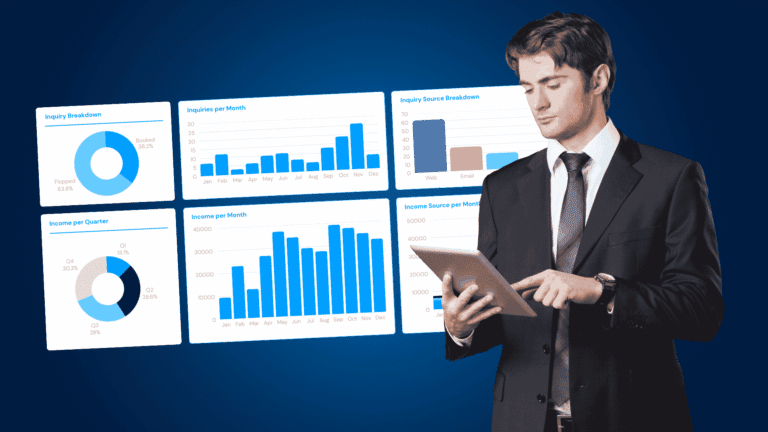
| Visibility | Real-time dashboards show contract status, matter workload, and upcoming deadlines, with no more hunting through email or shared drives. |
| Scalability | Legal teams handle substantially more work without proportional headcount increases. |
| Stakeholder Satisfaction | Business units get faster responses, clearer timelines, and self-service options that reduce bottlenecks. |
| Talent Retention | Junior lawyers spend less time on administrative drudgery and more time developing legal judgment, leading to higher job satisfaction and lower turnover. |
The compounding effect matters. A team that automates one workflow gains capacity to tackle the next. Within 12–18 months, the legal function operates at a fundamentally different level.
Legal Workflow Automation Software
Legal workflow automation software is the technology layer that makes automation possible. Unlike generic project management tools, purpose-built legal platforms are designed around the specific needs of legal departments.
The right platform should offer no-code workflow builders that let legal teams configure approval chains, routing rules, and triggers without IT dependency. AI capabilities should include contract analysis and review, clause extraction, smart reports, and risk scoring. Integration matters too: seamless connections to e-signature providers (DocuSign, Adobe Sign, Yousign), document repositories (SharePoint, Google Drive), and communication tools (Slack, Microsoft Teams) eliminate the need for manual file transfers and status updates.
The best platforms combine automation with collaboration, enabling legal teams and business stakeholders to work together in a single environment rather than toggling between email, shared drives, and multiple point solutions.
How DiliTrust Supports Legal Workflow Automation
For in-house legal teams looking to put these principles into practice, the platform matters. DiliTrust’s Suite brings together contract lifecycle management, matter management, legal entity management, and a board portal in a single platform, designed by legal professionals, for legal departments.
Teams benefit from AI-assisted contract review, no-code approval workflows, automated document generation, deadline tracking with built-in reminders, and seamless e-signature integration. Matter routing, entity compliance, and board governance are handled in the same environment, eliminating the tool-switching and manual work that slow legal teams down.
It’s legal workflow automation without the patchwork of disconnected tools.
Legal workflow automation, powered by AI, is no longer a nice-to-have, it’s how modern legal teams reduce risk, reclaim time, and deliver more value to the business. The teams that embrace it now will be the ones setting the standard tomorrow.