


…
Legal department transformation readiness is the ability to move from a decision on paper to a way of working that people can use and sustain. It depends on leadership, expertise, people, data, processes, and technology working together before a single platform is selected.
Digital transformation often starts with a tool shortlist. A new platform changes how requests enter the team, how decisions are made, what people record, and who can see what happens next.
Before choosing technology, there are many questions to ask, but one comes first.
Is your team ready to carry change into day-to-day work? This checklist is a practical way to find out. Readiness helps determine whether a digital transformation project will succeed, and these six points give GCs and legal leaders a concrete place to start.
Readiness comes first because technology magnifies the operating model. If ownership is vague, data has no shared meaning, or handoffs disappear into email, a new system gives those weaknesses a new home. Examine how work is requested, decided, recorded, and measured. Then choose technology that supports the way Legal actually operates.
Your readiness checklist at a glance:
- Leaders own the change and the decisions
- The right expertise is in the room
- People can carry the change
- Data can carry context forward
- Work and handoffs are visible
- Technology fits the operating model
The legal department transformation readiness checklist explained
1. Leaders own the change and the decisions
A ready department can name the executive sponsor, the decisions that cannot wait, and who can resolve trade-offs. The GC, legal operations, IT, procurement, and business stakeholders may share the work, but decision rights cannot remain blurred.
Look for evidence in weekly choices.
If the answers are positive, the legal function is on the right path and ready to plan the change.
2. The right expertise is in the room
Senior sponsors and technology specialists are necessary for a transformation project, but they aren’t enough. End users and subject-matter experts must join the conversation early. Readiness shows when legal subject-matter experts work with legal operations, process, data, change management, IT, and the people who handle requests every day.
Ask whether the team can describe local practice, informal workarounds, approval rules, and the limits of automation. If it cannot access end users or operational evidence, it is still designing from a distance, which is not enough to sustain transformation.
3. People can carry the change
People readiness is practical. Users need competence to handle a real request, governance to know who decides, and support when the usual path breaks. When users and leaders are ready, they show more than digital and technical capability. They are open to changing how work gets done. This is a change management topic, and it links closely to the second point in the checklist. When the teams and leaders responsible for change are in the room, it is easier for others to follow.
Test one representative task. Can a contract manager complete it, explain the judgment involved, capture the right information, and escalate an exception? Can they find help during live work?
4. Data can carry context forward
Legal work depends on context. Without it, decisions become harder to trust. Decisions also depend on accurate data. Legal leaves a trail of requests, advice, documents, obligations, owners, and decisions. Readiness means that trail has shared meaning and clear ownership.
Check whether Legal, Finance, Compliance, IT, and business teams interpret terms such as owner, status, entity, risk, matter, and obligation in the same way. Then test whether a contract connects to its entity, matter, business owner, obligations, and decisions. If people still reconcile records manually to understand what happened, the data foundation needs work. Legal data governance must be a priority in digital transformation because trusted information only supports useful action when the data is governed.
5. Work and handoffs are visible
Readiness begins with how work moves. Follow one recurring process, such as contract approval, matter intake, or obligation tracking, from request to outcome.
Note where requests arrive, what information is missing, who triages, when judgment is needed, and who owns the next action. This map exposes delays and private workarounds. It also gives the department a practical starting point for legal department digital transformation, because the technology decision can follow the work instead of guessing at it.
6. Technology fits the operating model
The final signal is fit. Technology should support the needs the department has already defined, including intake, routing, approvals, permissions, connected records, reporting, and exception paths.
Ask a provider to demonstrate one real process, including the handoffs and the records around it. If the platform sits beside the operating model, users will create workarounds to compensate. If it supports the model, people can see where work stands and what happens next.
Are you choosing the right tool to digitize legal operations?
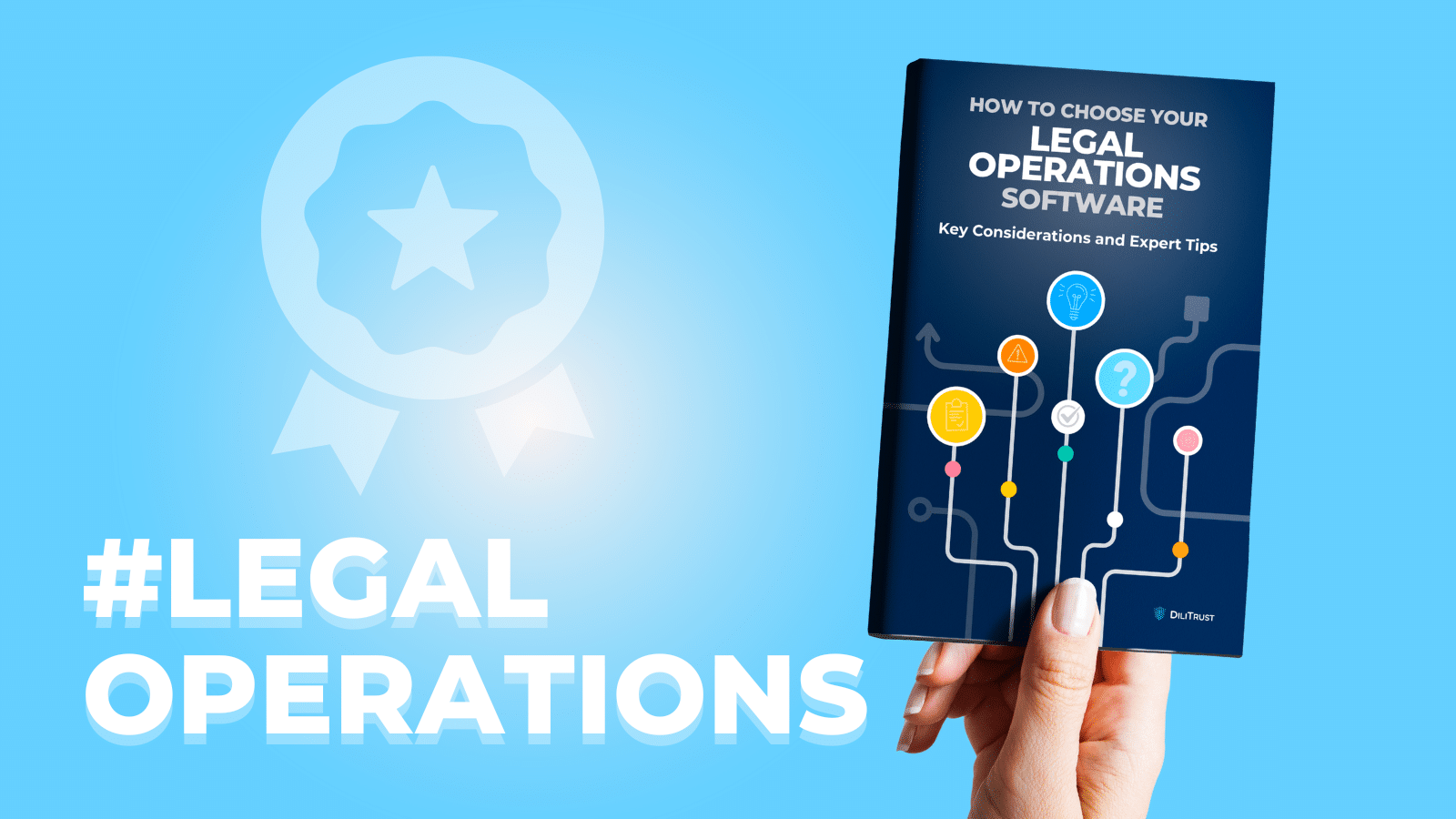
Selecting a new tool to carry legal processes and operations may sound complex. This legal operations software buyers guide provides practical advise to make the task easier.
Being ready means the work can move
A ready legal department does not need perfect data or a grand rollout. It needs a clear owner, the right people, visible work, usable information, and technology that fits the path.
That is the test: can Legal turn a leadership decision into a real request, a sound judgment, and a recorded outcome? If so, transformation has somewhere to land. If not, readiness is the work to do first.
Frequently asked questions about the legal department transformation readiness checklist
What is a legal department transformation readiness checklist?
A legal department transformation readiness checklist is a structured set of criteria that helps GCs and legal leaders assess whether their team has the leadership, people, data, processes, and operating model in place to successfully adopt new technology. It is used before selecting a platform, not after.
How many items should a legal transformation readiness checklist cover?
A practical checklist covers six areas: executive ownership, team expertise, people readiness, data quality, process visibility, and technology fit. Each area must be assessed independently because a gap in one can undermine progress across the others.
Should legal leaders map workflows before choosing technology?
Yes. Follow one recurring process to expose missing information, unclear ownership, and broken handoffs. That gives providers a real scenario to demonstrate and gives your team a baseline for measuring improvement.
Can a department begin transformation if its data is incomplete?
Yes, if it names trusted records, assigns ownership, and starts with a process where better visibility matters. The first phase can improve the data needed for that work. Waiting for perfect data is rarely the right call.
Who should be in a legal transformation project team?
The team should include legal subject-matter experts, legal operations, process and data specialists, IT, a change management lead, and people who handle requests day to day. Senior sponsors alone will miss how work actually moves under pressure.
How do you know if technology fits your legal operating model?
Ask the provider to demonstrate one real process end to end, including intake, handoffs, approvals, and exception paths. If they cannot map to your operating model, the platform will sit beside it, and users will build workarounds to fill the gap.