


In a recent conversation with LegalTech Hub, Nadim Baklouti, co-CEO of DiliTrust, described a structural shift taking place inside corporate legal departments.
The change is not about adding more tools. It is about rethinking the foundation beneath them.
Early legal technology adoption followed a familiar path: one solution at a time.
This approach may work at the beginning, especially for small organizations, but it can quickly reach its limits as growth accelerates causing fragmentation to grow as well.
According to Baklouti, the real issue is not functionality. It is structure.
What is Legal ERP?
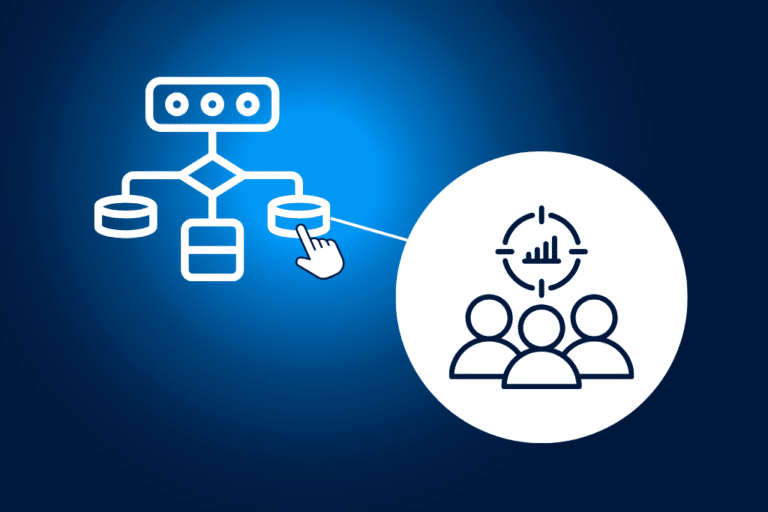
A legal ERP (Enterprise Resource Planning system for legal) is a unified operating system that connects every core legal function within one structured environment.
Rather than layering separate tools on top of each other, a legal ERP integrated governance, entity management, contracts, matters, and documentation into a single system of record.
Baklouti describes this shift as fundamental:
I believe that DiliTrust’s story matches well how the legal industry has evolved. Going from having one point tools to a full sort of legal ERP.
The distinction is about how the modules interact.
Why the tool based approach is outdated
Legal departments have typically fallen into two categories:
- Teams operating without dedicated legal systems
- Teams juggling multiple disconnected platforms.
In both cases, gaining a unified view of legal operations is difficult. According to Baklouti:
For the longest time, legal has been a little left behind in terms of tech innovation. It was and is still common for some legal professionals to operate with tools built for finance, or procurement.
The environment is changing.
Nowadays the legal department is treated more and more like any other business unit. Leadership expects to see tangible, measurable results, and for legal to move away from being a cost center this is critical.
With fragmented systems, information lives in different places and key responsibilities for legal such as reporting, risk assessment and compliance overview becomes harder.
Baklouti summarizes the shift clearly:
Legal solutions [today must be] designed for legal and built by legal.
From solutions to one operating system
Other corporate functions have already moved toward integrated systems of record. Sales operates through customer relationship management platforms. Finance runs on ERP systems. HR Relies on unified human capital systems. These business units work through unified core systems, perhaps further building on integrations but the core is intact.
Baklouti expressed his sentiments on this evolution:
I believe that DiliTrust’s story matches well how the legal industry has evolved. Going from having one point tools to a full sort of legal ERP.
Legal is now following a similar trajectory. During the discussion, Baklouti described DiliTrust’s approach as a legal ERP, a unified operating system designed to bring:
Into a single environment.
The distinction lies not in the number of modules, but in how they interact.
Interoperability in practice
DiliTrust is an integrated system, as we have explained in the legal industry vision for 2026. In this context, a contract is linked to the relevant legal entity, which connects to related matters. Then, matters can be traced back to board decisions and governance thresholds.
“The objective is not just efficiency,” Baklouti notes. “It is to provide General Counsel with a consolidated cockpit where they can understand risk in context and in real time.”
Instead of navigating across tools, legal teams operate within one structured workspace. Everything from visibility, to communication and reporting improves. It is rather far away from episodic oversight during stressful times (aka audits), it is continuous and under control.
Many organizations adopt this model progressively, beginning with a single use case and expanding as data maturity increases. Furthermore, as AI expands into legal technology, this interconnectivity is more important than ever.
At the age of AI, structure is everything
Artificial intelligence was also part of the conversation, but framed through the same structural lens.
“We believe that one can have the best AI technology, but without the proper data and systems underneath it is useless,” Notes Baklouti.
Rather than functioning as a standalone prompt tool, DiliTrust’s AI layer operates within the broader platform. With access to contracts, entities, matters, governance data, and historical documentation stored in the system, it can generate context aware suggestions.
“AI without context is limited,” Baklouti says. “When intelligence operates inside a structured legal environment, it can surface insights that isolated tools cannot.”
From risk based contract redlining aligned with delegation thresholds to cross referenced matter summaries, AI becomes an extension of the legal system of record.
The evolution toward a “legal ERP” is therefore not only about consolidation. It is about building the structural foundation required for strategic visibility and responsible AI adoption.
More than a product strategy
Beyond technology, this ERP comparison also reflects a long term DiliTrust philosophy. Its approach to client relationships as partnerships measured in years rather than sales cycles. Many organizations have worked with earlier versions of the software, progressively expanding their usage as their legal operations matured.
The legal ERP model reflects that long-term philosophy: build the infrastructure that enables legal to lead.
Watch the full interview: