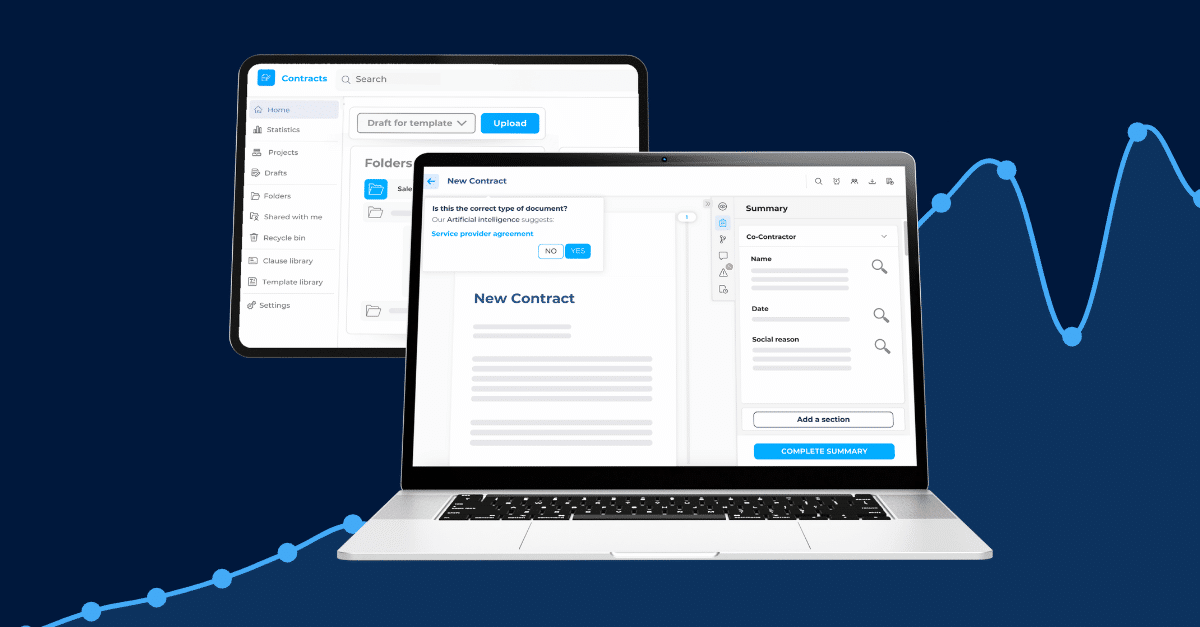



A contract management workflow is a structured, technology-enabled process that guides organizations through the creation, review, approval, execution, storage, and monitoring of contracts. Modern contract management solutions automate routine tasks, enhance collaboration, and provide real-time visibility, transforming contract handling from a manual bottleneck into a strategic business enabler.
For legal teams and businesses handling multiple agreements, an efficient workflow becomes essential to maintain compliance, reduce risk, and drive value. This comprehensive guide explores the fundamentals of contract management workflow and how modern solutions help transform this critical business process.
What Is a Contract Management Workflow?
A contract management workflow consists of the sequential steps and procedures an organization follows to handle contracts from creation through execution and beyond. Unlike ad-hoc contract handling, a defined workflow establishes standardized processes that ensure consistency, reduce errors, and improve efficiency across the entire contract lifecycle.
Effective contract management workflows include clearly defined stages, assigned responsibilities, approval pathways, and automated steps that work together to streamline contract processing. These structured workflows eliminate bottlenecks, enhance collaboration between stakeholders, and provide visibility into the status of each contract at any given time.
The 6 Essential Stages of Contract Management Workflow
1. Contract Request and Initiation
The contract lifecycle begins with a request. This initial stage establishes the foundation for the entire process, making it crucial to get right.
An efficient contract request process includes standardized forms that capture all necessary information, including contract type, parties involved, key terms, and business requirements. This standardization ensures legal teams receive complete information from the start, eliminating back-and-forth communications that delay the process.
Organizations with mature contract management workflows implement request routing that automatically directs different contract types to appropriate reviewers based on predefined rules. This routing ensures requests reach the right team members without manual intervention.
2. Contract Drafting and Review
Once approved, the contract drafting phase begins. This stage benefits tremendously from standardization through contract templates.
Pre-approved templates with standardized clauses reduce drafting time while ensuring consistency across similar agreements. Legal teams maintain control over language while business units gain the ability to generate routine contracts efficiently.
The review process involves multiple stakeholders examining the contract from different perspectives. Legal reviews focus on risk and compliance, while business units evaluate commercial terms. A structured workflow coordinates these reviews, tracking changes and comments from all parties.
3. Negotiation and Approval
Negotiation represents one of the most dynamic phases in the contract lifecycle. During this stage, parties exchange revisions until reaching mutually acceptable terms.
Effective contract management workflows include version control mechanisms that track all changes, maintaining a clear record of who modified what and when. This tracking prevents confusion and ensures all stakeholders work from the most current version.
The approval process follows a predetermined path based on contract value, risk level, and organizational policies. Automated approval routing directs contracts to appropriate decision-makers, with electronic notifications alerting approvers when action is needed.
4. Execution and Signatures
Once approved, contracts move to execution. Modern contract management workflows incorporate electronic signatures to accelerate this process.
Digital signature integration eliminates printing, scanning, and mailing physical documents. This not only speeds execution but also creates audit trails documenting exactly when each party signed.
After all signatures are collected, the workflow automatically distributes fully executed copies to all parties and updates the contract status in the central repository.
5. Storage and Organization
Proper storage forms the backbone of effective contract management. A centralized contract repository provides a secure location for all agreements, supporting both active management and historical reference.
Effective storage includes metadata tagging that makes contracts searchable by key attributes such as contract type, effective date, expiration date, counterparty, and value. This searchability transforms static documents into accessible, actionable information.
Access controls ensure only authorized personnel can view sensitive contracts while maintaining appropriate visibility across departments that need contract information for operational purposes.
6. Monitoring and Renewal Management
The final stage involves ongoing management throughout the contract term. This includes obligation tracking, performance monitoring, and renewal management.
Automated reminders alert teams to upcoming deadlines, required deliverables, and renewal dates. These notifications prevent missed obligations that could result in compliance issues or lost renewal opportunities.
Performance tracking measures actual outcomes against contracted terms, providing data for future negotiations and relationship management.
Common Challenges in Contract Management Workflow
Despite their importance, many organizations struggle with inefficient contract management workflows. Common challenges include:
These challenges often stem from reliance on manual workflows involving email, shared drives, and spreadsheets rather than purpose-built contract management solutions.
How Technology Transforms Contract Management Workflows
Modern contract management solutions address these challenges by automating routine tasks and centralizing contract information. Key technological improvements include:
The right contract management solution integrates with existing systems, including CRM platforms, ERP systems, and financial software. These integrations create a seamless flow of information across the organization.
Best Practices for Optimizing Your Contract Management Workflow
Implementing these best practices helps organizations maximize the value of their contract management workflows:
The most successful organizations view contract management as a strategic function rather than an administrative burden. They continuously evaluate workflow performance, identifying areas for improvement and adapting processes to changing business needs.
Transforming Contract Management for Business Success
Efficient contract management workflows deliver significant benefits beyond risk reduction. Organizations with streamlined contract processes experience faster deal closure, improved supplier and client relationships, and better financial outcomes.
By implementing structured workflows supported by appropriate technology, legal teams transform from bottlenecks to business enablers. They provide the governance needed to protect the organization while facilitating the speed required in today’s business environment.
Evaluating your current contract management workflow represents the first step toward improvement. Identify pain points, measure current performance, and explore how modern solutions might address your specific challenges. The resulting improvements will benefit not only the legal department but the entire organization.
Discover your savings
Get a realistic ROI based on industry standards when you partner with DiliTrust on CLM.