


Most breach of contract disputes don’t start with bad faith. They start with a missed deadline, an overlooked obligation, or a poorly tracked renewal date. By the time legal teams get involved, what could have been a simple process failure has escalated into costly litigation, strained relationships, and reputational damage.
The contract breach problem is rarely about intent. It’s about visibility.
Breach of Contract Definition
A breach of contract occurs when one party fails to fulfill their obligations under a legally binding agreement without a valid legal excuse. This can range from missing a payment deadline to delivering substantially different goods or services than promised.
Contract breaches are civil matters, not criminal. Courts aim to restore the non-breaching party to the position they would have been in had the contract been fulfilled.
What Makes a Contract Legally Binding
Not every agreement qualifies as a legally enforceable contract. Four elements must be present:
Contracts can be written or oral, though certain agreements require written documentation to be enforceable under the Statute of Frauds, including contracts for the sale of goods over $500, real estate transactions, and agreements lasting longer than one year.
Breach vs. Non-Performance
A breach of contract is distinct from simple non-performance. Non-performance may be excused by force majeure, impossibility, or frustration of purpose. A breach occurs when a party fails to perform and has no valid legal defense for that failure.
The 4 Types of Breach of Contract
Not all breaches carry the same weight. Courts categorize breaches based on severity and timing to determine appropriate remedies.
| TYPE | DEFINITION | EXAMPLE | CONSEQUENCE |
|---|---|---|---|
| Material Breach | Serious violation affecting the contract’s main purpose. | Wrong type of kitchen built. | Contract can be terminated; damages claimed. |
| Minor Breach | Small violation, main obligations still fulfilled. | 950 instead of 1,000 units delivered. | Contract stays valid; damages for shortfall. |
| Anticipatory Breach | One party announces in advance they won’t perform. | Vendor cancels delivery before due date. | Immediate termination and damages possible. |
| Actual Breach | Failure to perform on time or properly. | Missing a delivery deadline. | Legal remedies such as damages or performance. |
Common Causes of Contract Breaches
Understanding what drives breaches is the first step to preventing them. Common causes include:
Many of these causes are process failures, not legal ones. They stem from fragmented contract repositories, manual tracking systems, and limited cross-functional visibility.
According to an empirical analysis by MDPI (2025), 43% of 349 examined contract dispute cases involved contract invalidity, highlighting unclear terms and contractual non-compliance as major risk factors for breach of contract.
Legal Remedies for Breach of Contract
When a breach occurs, courts aim to make the injured party whole, not to punish the breaching party. Remedies focus on compensation and, in limited cases, performance.
Compensatory Damages
Compensatory damages reimburse the non-breaching party for losses incurred due to the breach. These include:
Courts rarely award punitive damages in contract disputes. The goal is restoration, not punishment.
Specific Performance
Specific performance is a court order requiring the breaching party to fulfill the exact terms of the contract. It’s granted only when monetary damages are insufficient to make the injured party whole.
This remedy is common in real estate transactions and contracts involving unique goods (art, rare collectibles, proprietary technology) where substitutes don’t exist.
Contract Rescission and Restitution
Rescission cancels the contract and returns both parties to their pre-contract positions. The non-breaching party is relieved of further obligations, and any benefits already conferred are returned.
Restitution requires the breaching party to return any value received under the contract, preventing unjust enrichment.
How to Resolve a Breach of Contract
Not every breach requires litigation. Most disputes are resolved through negotiation, mediation, or arbitration, faster, less expensive alternatives to court.
Many contracts include dispute resolution clauses specifying the required process before litigation. Ignoring these clauses can weaken your legal position.
How to Prevent Breach of Contract
The best way to manage breach of contract risk is to prevent breaches before they happen. That requires three things: clarity, visibility, and accountability.
Draft Clear, Unambiguous Contract Terms
Vague language is the root cause of many disputes. Contracts should specify:
Avoid legal jargon where plain language works. The goal is mutual understanding, not complexity.
Track Obligations and Deadlines with CLM Software
Manual contract management doesn’t scale. Obligations buried in PDFs, tracked in spreadsheets, or managed through email create gaps.
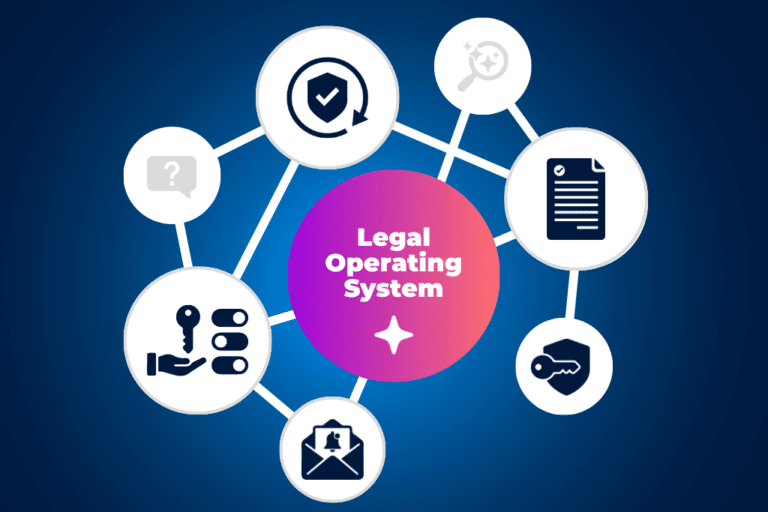
Contract Lifecycle Management (CLM) software centralizes contracts in a single repository, extracts key dates and obligations automatically, and sends alerts before deadlines. Legal teams gain a 360° view of every contract, reducing the risk of missed renewals, late payments, or overlooked performance requirements.
DiliTrust’s CLM solution automates obligation tracking across your entire contract portfolio. With AI-powered contract analysis, teams can identify risk clauses, flag deviation from standard terms, and proactively address potential breaches before they escalate. Automated workflows ensure the right stakeholders are notified at the right time, legal no longer chases business teams for contract compliance.
Maintain Documentation and Audit Trails
Every contract interaction should be documented. Version histories, email correspondence, change requests, and approval records all serve as evidence in disputes.
A robust audit trail establishes who agreed to what, when, and under what conditions, critical for both enforcement and defense.
Conclusion
Contract breaches cost time, money, and relationships. But most breaches are preventable. They’re not the result of malice, they’re process failures: missed deadlines, overlooked obligations, and fragmented visibility.
Legal teams that centralize contracts, automate obligation tracking, and maintain clear audit trails reduce breach risk significantly. Technology doesn’t replace good contract drafting or stakeholder communication, it enables both at scale.
Take control of your contract lifecycle. DiliTrust’s Contract Management solution gives legal teams the visibility and automation they need to prevent breaches before they happen.
Frequently Asked Questions About Breach of Contract
A breach of contract is not a criminal matter, it is a civil law issue. The injured party’s remedies are civil in nature: damages, withdrawal from the contract, or a claim for specific performance. Criminal liability only arises when the breach is connected to a criminal act, such as fraud or breach of fiduciary duty. In those cases, civil claims and criminal prosecution may run in parallel.
When a party fails to meet its contractual obligations, the injured party has several legal remedies available:
– Specific performance: The breaching party is required to fulfil the obligation within a reasonable timeframe.
– Damages: The injured party may claim compensation for losses incurred, including lost profits.
– Withdrawal: In the event of a material breach, the injured party may withdraw from the contract and reclaim any performance already rendered.
– Liquidated damages: Where a contractual penalty has been agreed in advance, it may be claimed regardless of actual loss.
Before pursuing legal action, an out-of-court resolution through negotiation, mediation, or arbitration is generally advisable.
Limitation periods for breach of contract claims vary by jurisdiction. In most legal systems, the standard limitation period ranges from two to six years. The clock typically starts from the date the breach occurred or the date the injured party became aware of it. Certain types of claims, such as those involving fraud or real estate, may be subject to different, sometimes longer, limitation periods. It is advisable to seek legal advice promptly to avoid losing the right to claim.
Yes. Oral contracts are generally legally binding and can be breached. However, proving a breach is more difficult without written documentation. For certain types of contracts, such as real estate transactions or financial guarantees, many legal systems require written form. Where that requirement is not met, the contract may be void and no claims for breach can be enforced.